Is Kundalini Yoga Dangerous?
Should you be afraid of waking your kundalini energy up?
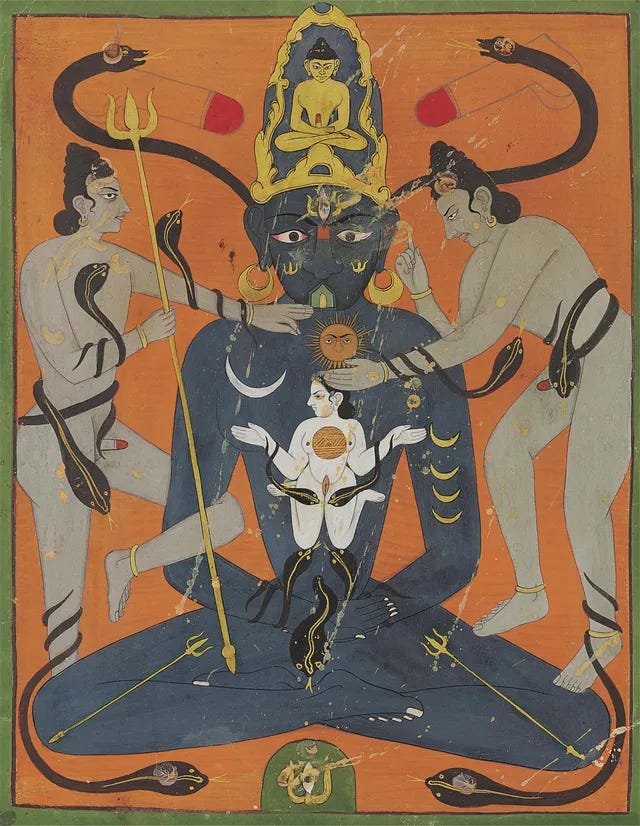
On March 10th, 2024, the St. Michael Centre for Spiritual Renewal in Washington D.C reported on their blog that several people had recently requested exorcisms for the exact same reason.
These people were claiming to be attacked by evil spirits after experiencing a kundalini awakening. Msgr. Stephen Rossetti, the exorcist, writes, “The experience, while initially seeming like a powerful awakening, ended up in a nightmare. They are now being tormented by demons”.
He goes on to say, “Is it any wonder that such pagan methods of ‘enlightenment’ involve a serpent whose fruits ultimately bring evil and torment?”
Elsewhere on the internet are warnings that kundalini is an advanced form of spiritual warfare; kundalini energy being a demonic python spirit “attempting to crush the human spirit and inhabit a human body”.

Mention the word kundalini in the West, and you’ll often be met with raised eyebrows and dilated pupils. There is a notion that kundalini is something not to be messed with, even some yoga teachers don’t know what it is, or they do, but they want to stay away. Kundalini appears to be synonymous with danger, and almost every spiritual person in the West seems to have heard a horror story about extreme dark nights of the soul. Who would willingly put themselves through that when you can just keep life ticking over exactly as it is?
Social media doesn’t help the reputation of this ancient science either. Kundalini has been commercialised and awakenings turned into status symbols and demonstrations of power. Of course, it’s open ground for the human ego to run amok, and for large numbers of people, it’s done just that. Turn up to an awakening event, be put into a hypnotic trance by a man with a ginger beard and wearing linen trousers, and have your kundalini ‘awakened’ whilst we film you reaching orgasmic states to be turned into social media fodder. The only thing truly orgasming here is the video engagement statistics. If you can buy an awakening for $60, why aren’t we all floating around performing miracles by now?

Vedic, Hindu and Yogic methods of enlightenment have been around for a very long time, and seem to have produced vast numbers of compassionate, wise and self-realised masters. They have had awakenings and pursued dedicated spiritual practice to the very end - not public orgasms, but samadhi.
Perhaps then, the darkness associated with kundalini awakenings has its roots in something other than the devil. The devil entered the religious psyche during medieval times. Ironically, in medieval India, hatha yoga was being incepted. The original tantric hatha, which is essentially the same as original kundalini yoga. Hatha is the physical asanas and pranayama techniques.
What Do The Yogic Masters Say?
Some yogis seem indifferent to these demonic claims and accept all spiritual pursuits as one and the same.
One of these yogis is Swami Satyananda Saraswati, founder of the Bihar School of Yoga in India. He writes in his book Kundalini Tantra, “Whatever happens in spiritual life, it is related to the awakening of kundalini. And the goal of every form of spiritual life, whether you call it samadhi, nirvana, moksha, communion, union, kaivalya, liberation or whatever, is in fact the awakening of kundalini”.
The pursuit of spiritual growth has been embedded in the human psyche for millennia. All over the world, we find temples and relics from ancient times pointing to the notion that spirituality and our human relationship with the divine held some weight. Culture was centred around worship and survival, and not much else. Worship was a way of appealing to the gods for protection and food. Later, scripture turns up (like the Upanishads and the Bhagavad Gita), indicating that if you could overcome the trials and tribulations of human existence with grace, you would awaken to the true nature of God.
In the tantric text Sri Saundarya Lahari - The Descent, Swami Satyasangananda Saraswati says that in ancient India, everything “was structured in a manner that was conducive to kundalini awakening”.
Vedic, Hindu and Yogic methods of enlightenment have been around for a very long time, and seem to have produced vast numbers of compassionate, wise and self-realised masters. They have had awakenings and pursued dedicated spiritual practice to the very end - not public orgasms, but samadhi.
Perhaps then, the darkness associated with kundalini awakenings has its roots in something other than the devil. The devil entered the religious psyche during medieval times. Ironically, in medieval India, hatha yoga was being incepted. The original tantric hatha, which is essentially the same as original kundalini yoga. Hatha is the physical asanas and pranayama techniques.
What Do The Yogic Masters Say?
Some yogis seem indifferent to these demonic claims and accept all spiritual pursuits as one and the same.
One of these yogis is Swami Satyananda Saraswati, founder of the Bihar School of Yoga in India. He writes in his book Kundalini Tantra, “Whatever happens in spiritual life, it is related to the awakening of kundalini. And the goal of every form of spiritual life, whether you call it samadhi, nirvana, moksha, communion, union, kaivalya, liberation or whatever, is in fact the awakening of kundalini”.
The pursuit of spiritual growth has been embedded in the human psyche for millennia. All over the world, we find temples and relics from ancient times pointing to the notion that spirituality and our human relationship with the divine held some weight. Culture was centred around worship and survival, and not much else. Worship was a way of appealing to the gods for protection and food. Later, scripture turns up (like the Upanishads and the Bhagavad Gita), indicating that if you could overcome the trials and tribulations of human existence with grace, you would awaken to the true nature of God.
In the tantric text Sri Saundarya Lahari - The Descent, Swami Satyasangananda Saraswati says that in ancient India, everything “was structured in a manner that was conducive to kundalini awakening”.

Kundalini is a dormant energy, a potent reservoir of Shakti (creation) energy. If you feel so inclined, you can put the work in and help it to rise up through a nadi in the centre of the spine. When it reaches the higher centres such as ajna, bindu and sahasrara, you will become a walking, talking, divine being. This is a process which requires a slow unlearning of the ego and identity, not an indulging of it.
For most people, it will lurk about in the lower chakras for lifetimes when awakened. This may explain the darkness that some experience more rationally than a demonic possession. If the chakras and the mind are refined, there is no difficulty for the kundalini to inhabit the body’s energy system.
In kundalini yoga (the ancient hatha techniques of India, not the more modern Yogi Bhajan style), the chakras are the nerve plexuses in our spine. They are an extension of the brain. When the kundalini is fully risen, it’s said that all the dormant parts of our brain are ‘unlocked’, giving us access to the superconscious - a vast reservoir of energy and creativity.
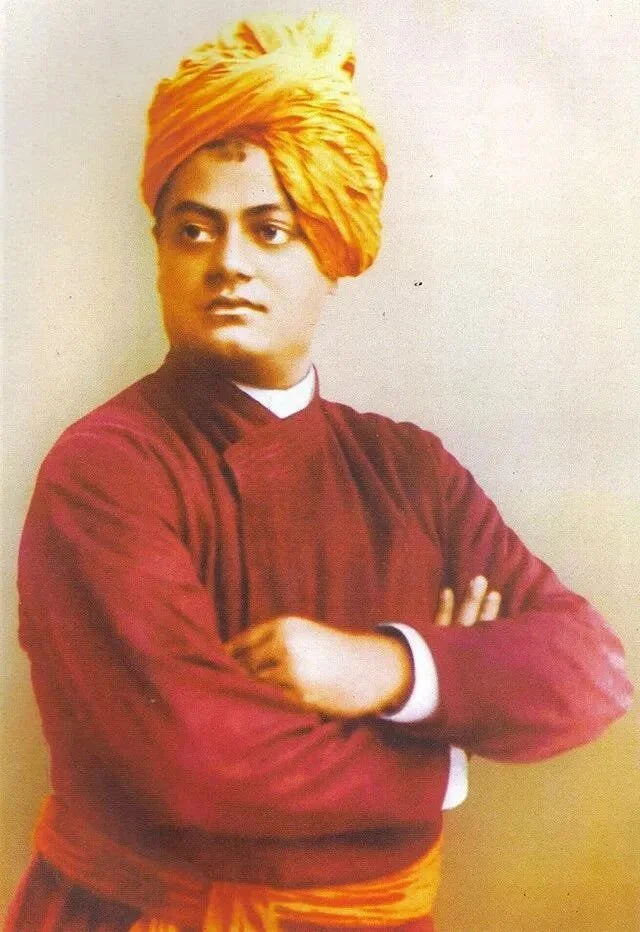
Vivekanada once said that “When it reaches the brain, the yogi is perfectly detached from the body and mind”.
Kanya is the resting state of the kundalini energy. It sits unawakened in the mooladhara (root) chakra until enough pranic energy awakens it. This prana does not necessarily have to come from breath or yoga. In the philosophic system of India, they are not the only things which remove the blocks to prana flowing freely. Some people can work with their prana for years and never wake it up. Others can be minding their own business, and it spontaneously awakens, allowing them access to a profound, mystical, indescribable experience that they were not expecting.
Is Kundalini Actually As Dark As People Fear?
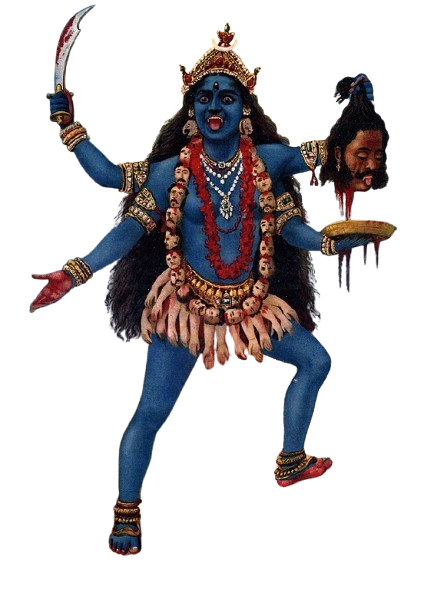
Next comes Kumari, where kundalini begins her ascent. In tantra, she is called Kali at this stage. Kali is depicted as a ferocious goddess in Hinduism. But it’s not the kundalini energy that’s dark, it’s the butting of that energy against the deep, black, bottomless wells of the unconscious mind. The difficulty comes from the process of undoing the fear, turmoil, and anger that rest in a part of you that you may never have uncovered before. The emotional and mental discomfort comes from the interaction of light with the ‘flaws’ that cover chitta, the mind.
According to ancient yogic wisdom, there is only one true way to release yourself from suffering. Dissolve your attachment to it. Scriptures like the Bhagavad Gita teach us that suffering can be something that our true self should witness, not engage with (by using our mind, ego and perceptions). Apparently, this is the only way out of brain jail.
It is by slowly, humbly and consistently taking part in the practices of yoga, meditation, bhakti, kindness and reading of these dusty old wisdom texts, that we can start to undo the hold our mental state has enchanted upon us. Then, and only then, can we start to clear space for the kundalini energy to rise up within us.
3 Important Aspects Of Shadow Work

In yoga, the negative mental state exists because of vrittis, samskaras and the aforementioned vasanas. Vrittis are the fluctuations of the mind that Patanjali’s Yoga Sutras sought to correct. They are the thoughts relentlessly swirling around your brain, distracting you from the still essence within.
Samskaras are mental impressions that we pick up from every experience we have. Every person you meet. Every room you go in. Every conversation you have. Every feeling you feel. These get stirred up in the unconscious and inform all our future experiences.
And to expand a little more on vasanas, these are the desires that are hidden in our subconscious, constantly driving our thoughts and actions. Sometimes for the better, often for the worse. Particularly if they arise from unmet needs. These can become all-consuming.
This Part Is The Most Dangerous Of All
Our consciousness transforms and refines into something more subtle and profound at each stage of our awakening journey. This is why it is not a good idea to do it quickly. You risk becoming a victim of your own ego.
The Western hype of kundalini awakenings often leaves out a key milestone on the journey. The first one. Purification of ajna, or the third eye chakra.
Without this purification, the unsuspecting newly ‘awake’ person will not have the discernment to understand and separate themselves from any potential trouble they experience when allowing the chakras to purify and release the glitches of the mind. The key to a successful bout of shadow work is to watch the horror movie, not believe you are in the horror movie, starring as the protagonist. Don’t fall into the trap of thinking your delusions are real, and newly found heroic magical powers are infallible.
Rushing this cleansing stage of the journey is dangerous. It gets rushed often. The third eye is a trip switch. Skip the spiritual purification process and ‘ping’ you’re trapped in ego forever thinking you are the powerful overlord of your destiny, and other people’s destiny too. You’ll grow a beard, buy some linen trousers and teach others how to fall in love with their ego self. You’ll never reach your true spiritual potential.
The final stage of kundalini awakening is called Shodashi. This is when the sadhaka’s energy system and spiritual wisdom have developed enough to let kundalini Shakti (the observed) merge with Shiva (the observer) - a blissful reunion which sets off the necessary mechanisms in the brain like a pinball machine to create a self-realised super-state. Get this far and you’ll become an embodiment of the divine in a body that once belonged only to your mind.
The Descent Of Grace
Tantrikas can work in another way to bring about samadhi, which is more commonly referred to as moksha in tantric belief systems.
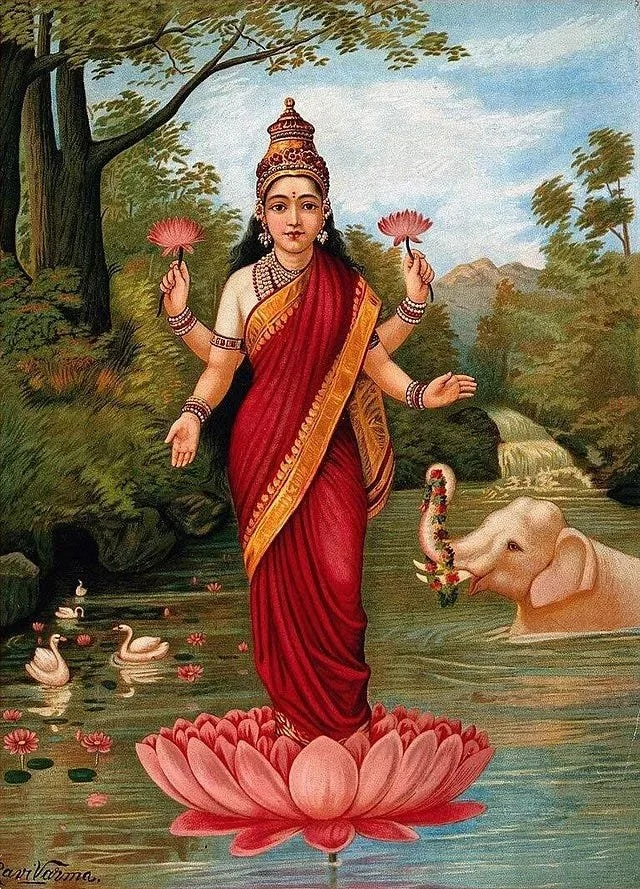
By invoking the supreme mother goddess, the creator Shakti, through ritual, symbolism, right attitude and bhakti yoga, the tantrika’s experience can be purified to such a degree that they experience no separation between themselves and the divine. This is a path that typically and synchronistically finds the participant when they are ready.
Eastern Ways, Western Minds
Many of the ancient wisdom teachings from India can sound a little far-fetched and ceremonial to some Western minds. Generally, in the West, we tend to do things for results. Instant results if possible. No results? Action stops and we try something else that might produce a better bounty.
In the East, more importance is put on building a relationship with the divine, inviting the divinity into your life, your home, your body and your mind. The divine becomes a trusted bestie. Someone to do this thing called life with. A mutually beneficial friendship forms between you and the divine through its many gurus, avatars and devatas.
In the East, none of this is far-fetched or pompous at all. The proof is in the pudding. Follow the path set out by the old masters and watch your body, your personality, your whole existence restructure itself.

We Westerners can have that too. Devout Christian Phillip St. Romaine documented his kundalini awakening through prayer in his book Kundalini Energy and Christian Spirituality. His experience turned out to be positive in the long run.
He says, “ The Hindu literature on kundalini helped me to appreciate how important was this foundation of discipline. Kundalini is like a highly-charged elixir that is poured into a very delicate and fragile vessel. If there are leaks and weak spots in the vessel, then the elixir will be lost and the vessel itself will be hurt by the powerful energy being discharged. Given a healthy vessel, however, kundalini can be harnessed to do a mighty work on this earth. Therefore, one must learn to take proper care of the earthen vessel in which we pass our days. One must also take special care to discipline the senses, which are places where energy enters into and flows out of the vessel.”
If you decide to pursue this kundalini awakening thing with some sensibility, make sure you have a community around you, spiritual guidance from a reputable person, and mental and emotional support in place. A consistent yoga and/ or meditation practice is essential. And if you’re struggling with the weight of it all, and your chitta needs some help, there’s no shame in going to see a mental health professional as part of the process. In the West, our culture doesn’t always have the support systems that are present in other cultures.
I hope you’ve found this interesting and given you a few things to try before you book an exorcism….
If you’ve got this far, you might want to join my 12 week kundalini beginner’s program called THE INITIATION. It runs several times a year. Sign up to the next cohort below. You’ll also be able to explore my other signature traditional kundalini yoga programs.